Sourcing is the most important thing we do

It can be easy to forget that coffee is an agricultural product, a crop grown by real people on real land. Behind your morning cup is a supply chain stretched across continents and shaped by commodity markets, trade policy, global conflicts and climate changes that can change sourcing and product overnight.  

We value sourcing high quality, fair trade coffee, grown with integrity. That is how we show respect to the earth, the product and the people that grow it. 

Why Coop Coffees

Larry's Coffee is a founding member-owner of Cooperative Coffees: a community of roasters who came together around the idea that trade should be transparent and the people who grow coffee should share fairly in its value. Cooperative coffees has spent the last 25 years building direct, lasting relationships with small-scale farmer cooperatives around the world.

Why Organic

Certified organic coffee is grown without synthetic pesticides and fertilizers. It keeps those harsh chemicals out of the soil, out of nearby streams, out of the lungs of the farmers doing the harvesting and out of your cup at home. Healthier land grows better coffee for longer. it's that simple. Yes it costs more and it can be harder to do but we think it's worth it.

Why Shade Grown

Shade Grown farms preserve tree cover over the coffee plants as they naturally grow instead of clear cutting to cram in additional crop. This preserves habitat for wildlife, and supports healthy soil. It also allows the coffee bean to ripen more slowly and develop a more complex flavor profile. So overall its better for the ecosystem and better for your cup of coffee!

Why Fair Trade

At its core, fair trade guarantees farmers a minimum price for their coffee, protecting them from the volatile commodity market. It funds community premiums for things like schools, clean water, and healthcare, and it sets standards for safe working conditions. It's part of how we make sure the value of a great cup flows back to the people who made it possible.

Farm to cup

Meet our farming partners

Without them, we don't exist. Some of our partnerships span decades, providing excellent organic coffee and stable relationships that benefit the farmers, their communities, and your cup.

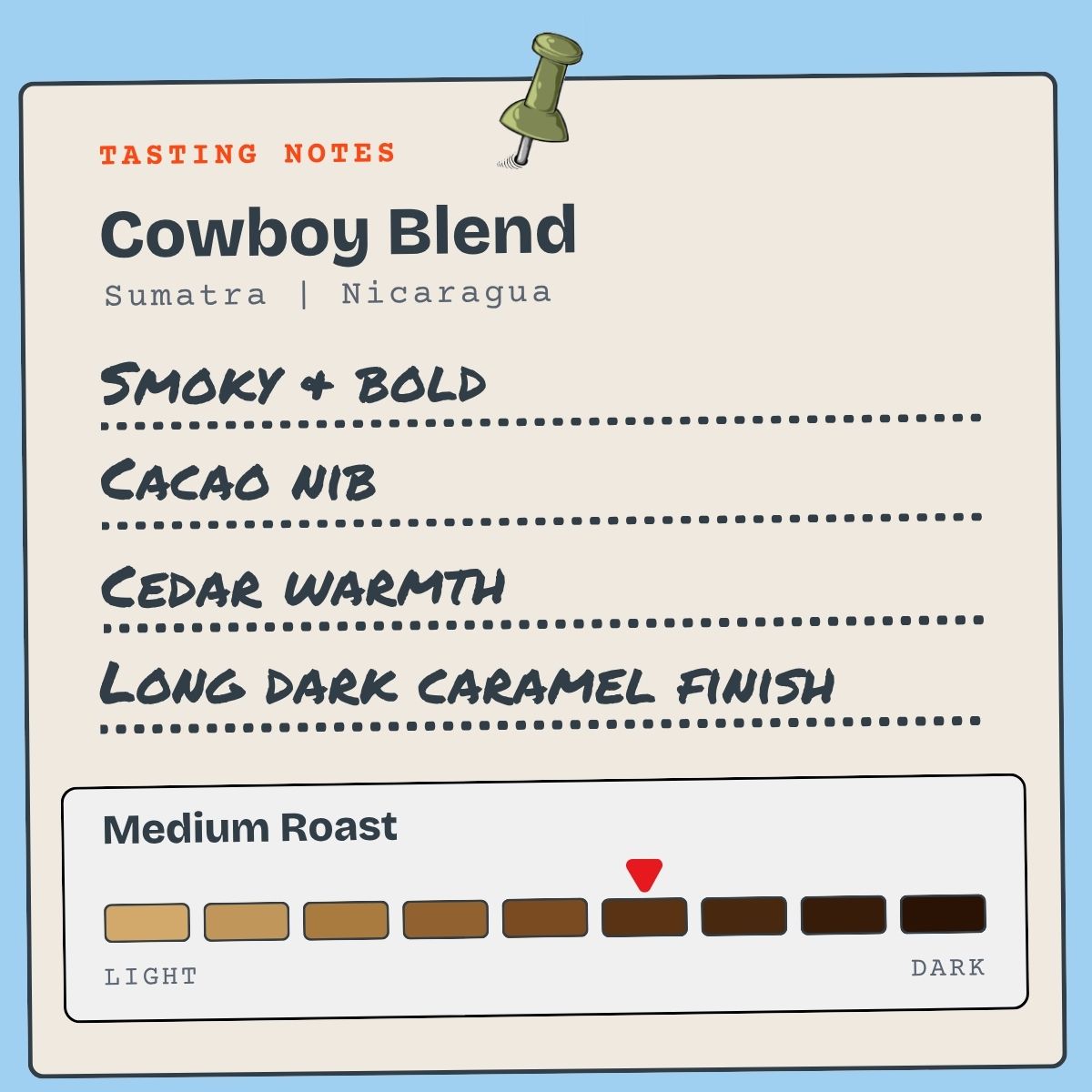
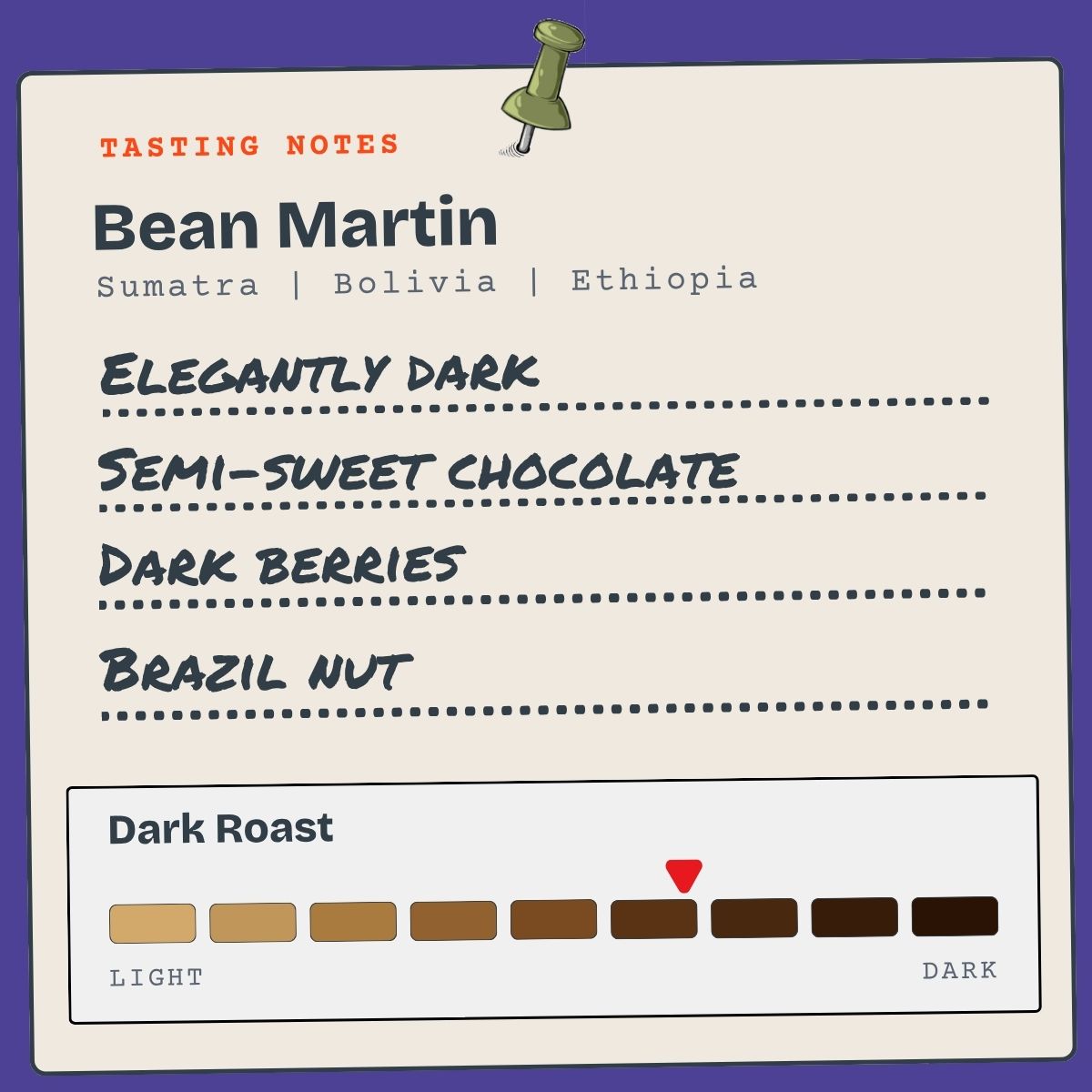
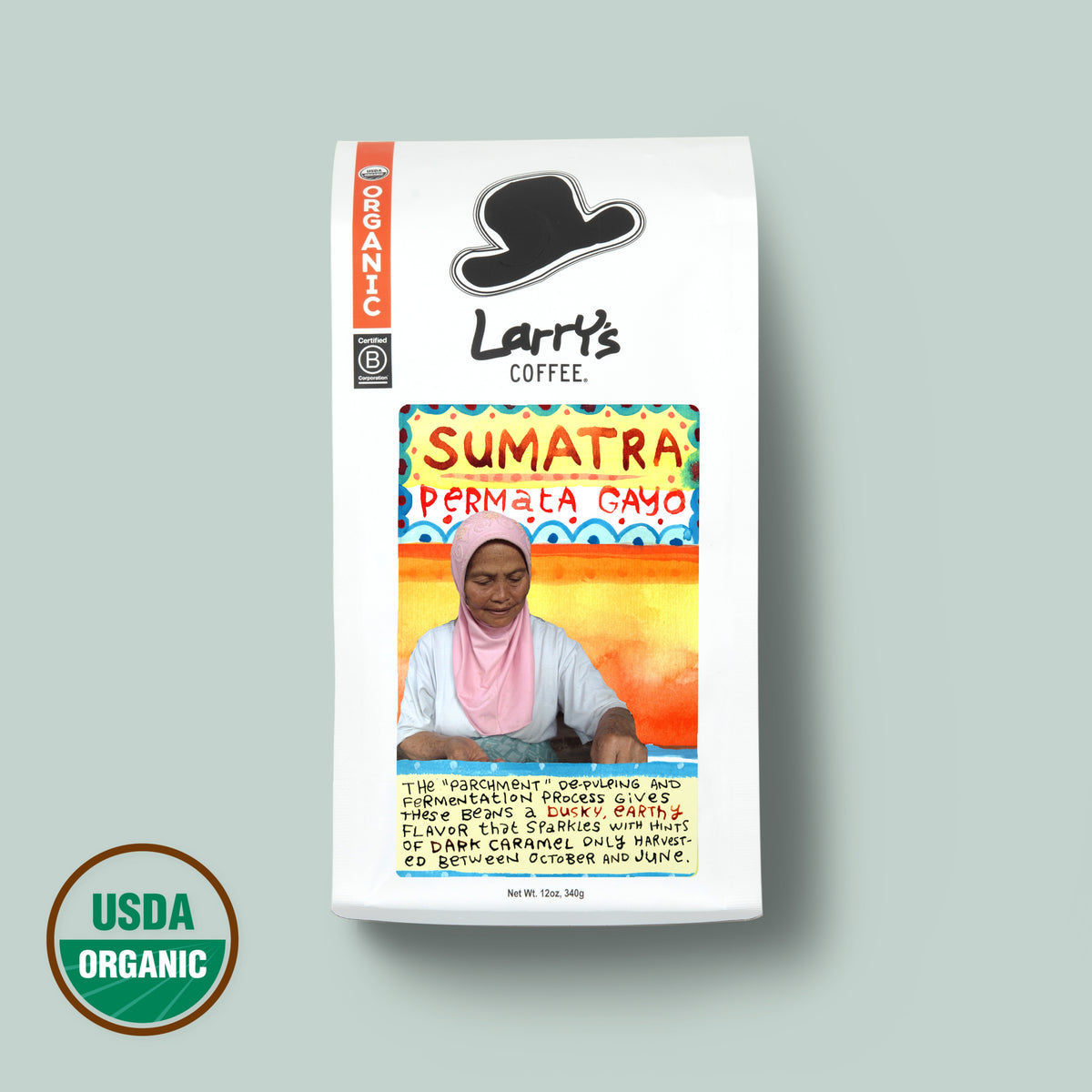
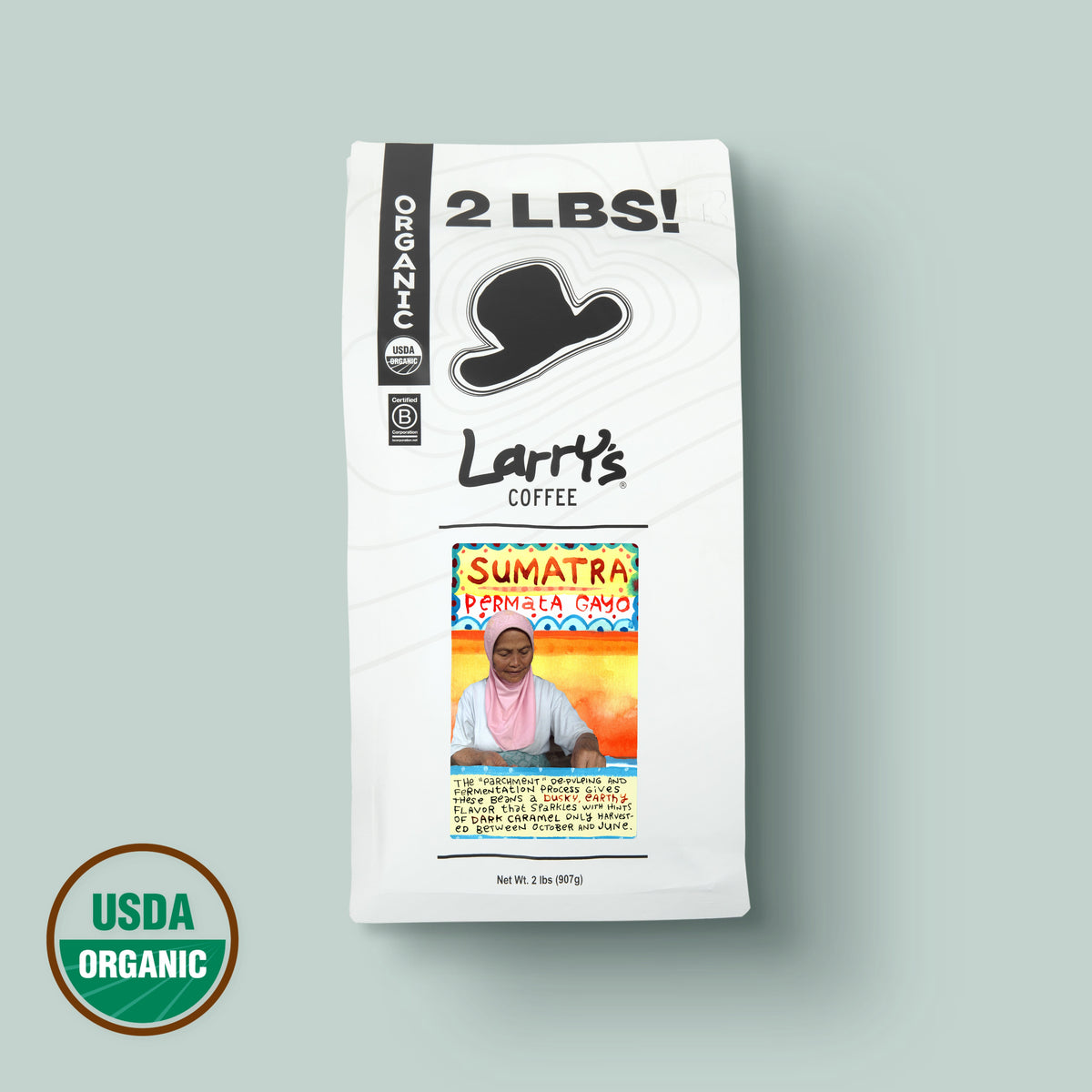
Sumatra

Permata Gayo

Co-Op Member Since 2009

Permata Gayo started in 2006 with 50 farmers in five villages in Aceh, on the northern tip of Sumatra. Today it’s a cooperative of more than 2,000 farmers across 36 villages in the Gayo Highlands.

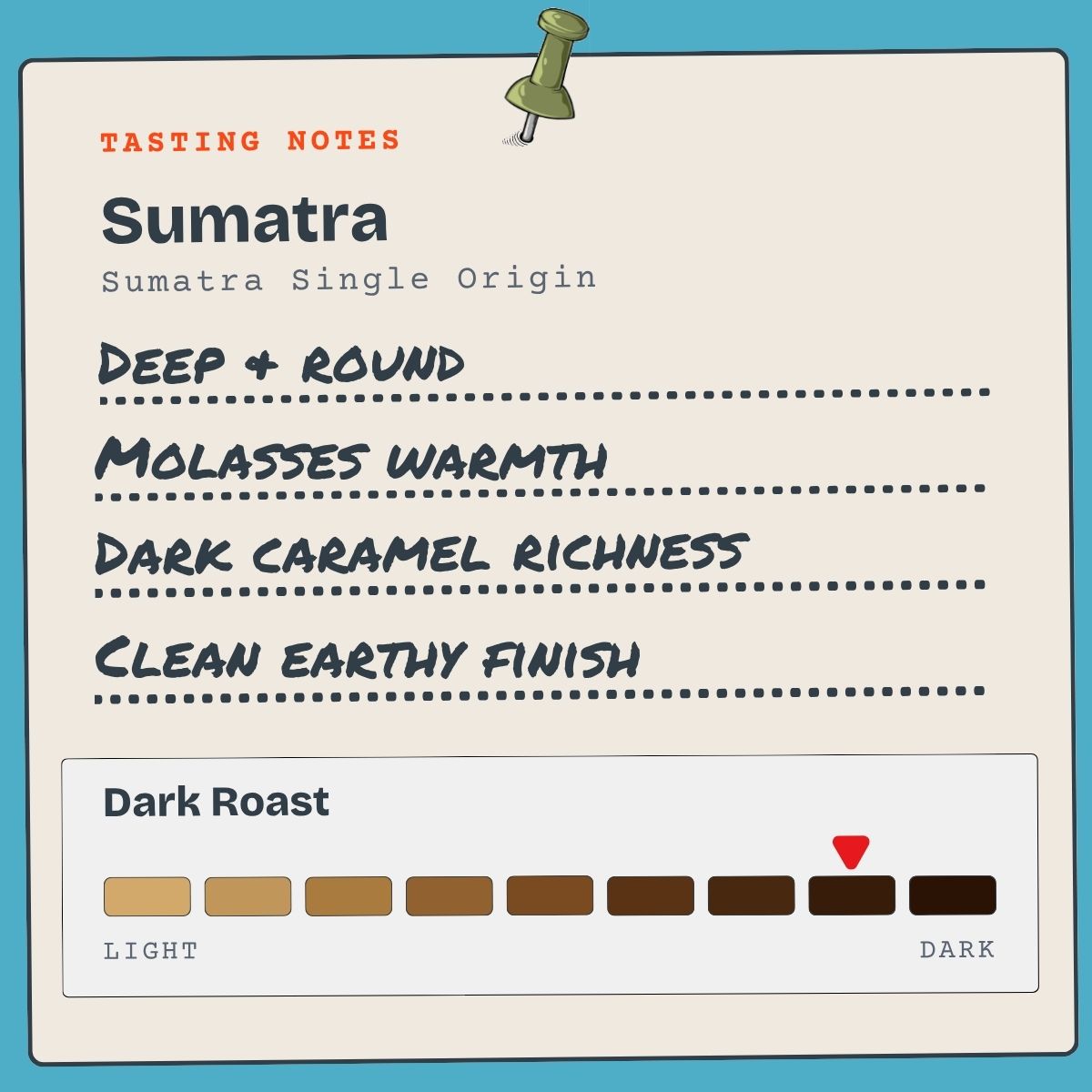
The coffee is wet-hulled, a traditional Sumatran method where the beans are stripped of their outer layer while still damp instead of after drying. That one step is why Sumatran coffee tastes the way it does: heavy body, soft acidity, and a deep, earthy sweetness with notes of dark walnut and green pepper.

Fair Trade premiums buy rice, palm oil, and sugar for member families during the lean months between harvests. A cultural school teaches kids traditional Gayonese song and dance. And a youth council of 50 members (all under the age of 25) now runs much of the co-op’s day-to-day. This is coffee grown by a community that invests in its people as much as its trees.

Country

Indonesia

Region/City

Aceh Province, Bener Meriah District

Elevation

3,900–5,200 ft

Process

Wet Hulled
Rwanda

KODUKAK

Co-Op Member Since 2016

KODUKAK started in 2006, when 257 farmers along the shores of Lake Kivu decided to pool their cherries and chase better quality together. They're part of COOPAC, a union of more than 8,000 farmers across Rwanda's Western Province.

The lakeside terroir is what makes this coffee sing. Red Bourbon cherries grown between 4,900 and 6,600 feet, fully washed, bursting with plum, peach, citrus, and a floral chamomile sweetness. It's the clean, juicy cup that made us fall for Rwandan coffee in the first place.

A decade of hard work earned KODUKAK its FLO Fair Trade certification in 2016, and a direct relationship with us.

Country

Rwanda

Region/City

Western Province, Kigeyo

Elevation

4,900–6,600 ft

Process

Washed

Nicaragua

UCA Miraflor

Co-Op Member Since 2014

UCA Miraflor goes back to 1990, when founding manager Porfirio Cepeda convinced farmers not to sell off their land as Nicaragua's politics shifted, and instead build something durable around conservation and community tourism. That groundwork paid off in 1999 when the government recognized the 45,000-plus-hectare Miraflor Nature Preserve.

Coffee came later, in the early 2000s, but it fit everything the co-op already believed. The farms are certified organic and Bird Friendly, and the co-op has mapped seven distinct flavor profiles across its growing area. Slow ripening at elevation gives the coffee real density and depth.

It's the kind of complexity you get from farmers who've spent decades paying close attention to the land they're on.

Country

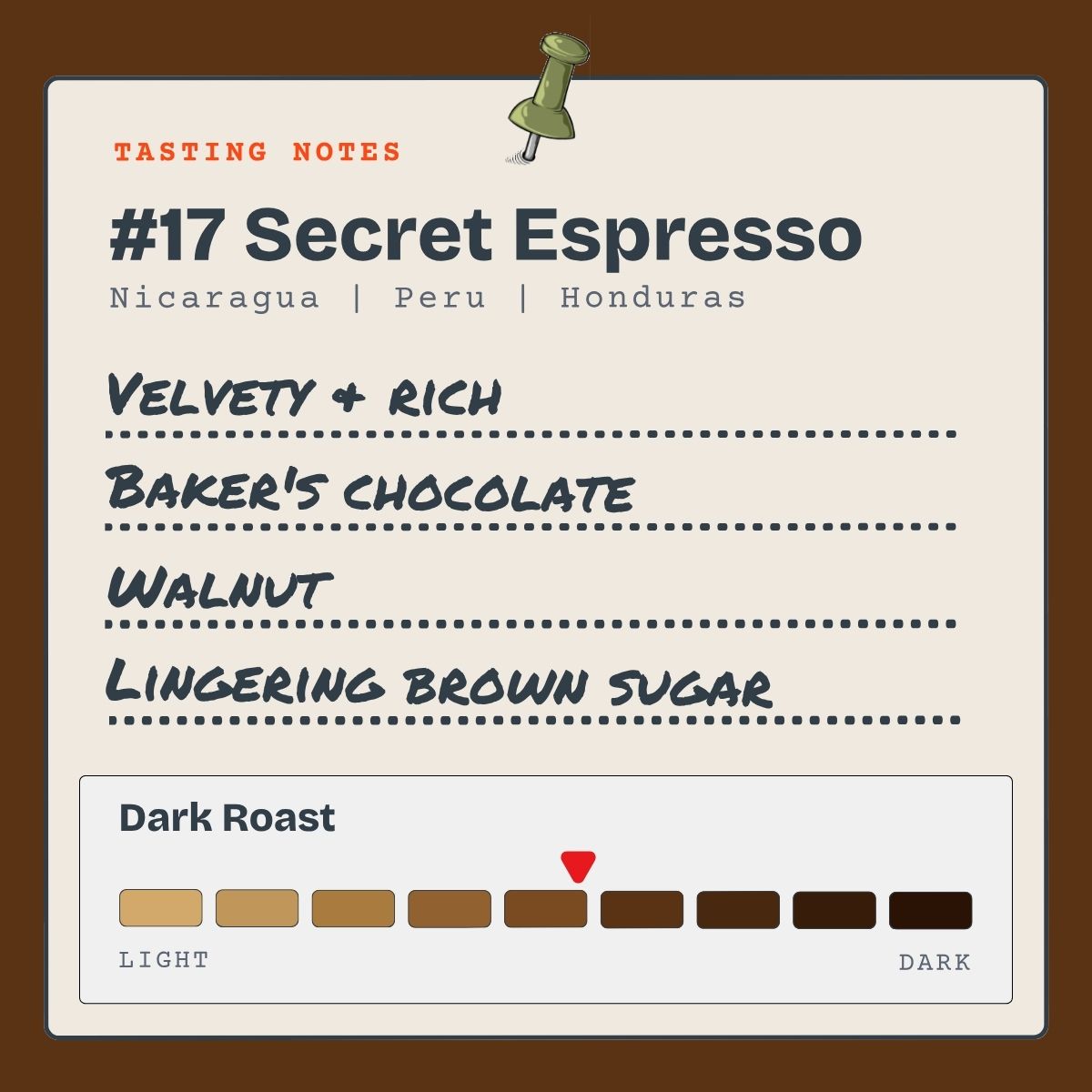
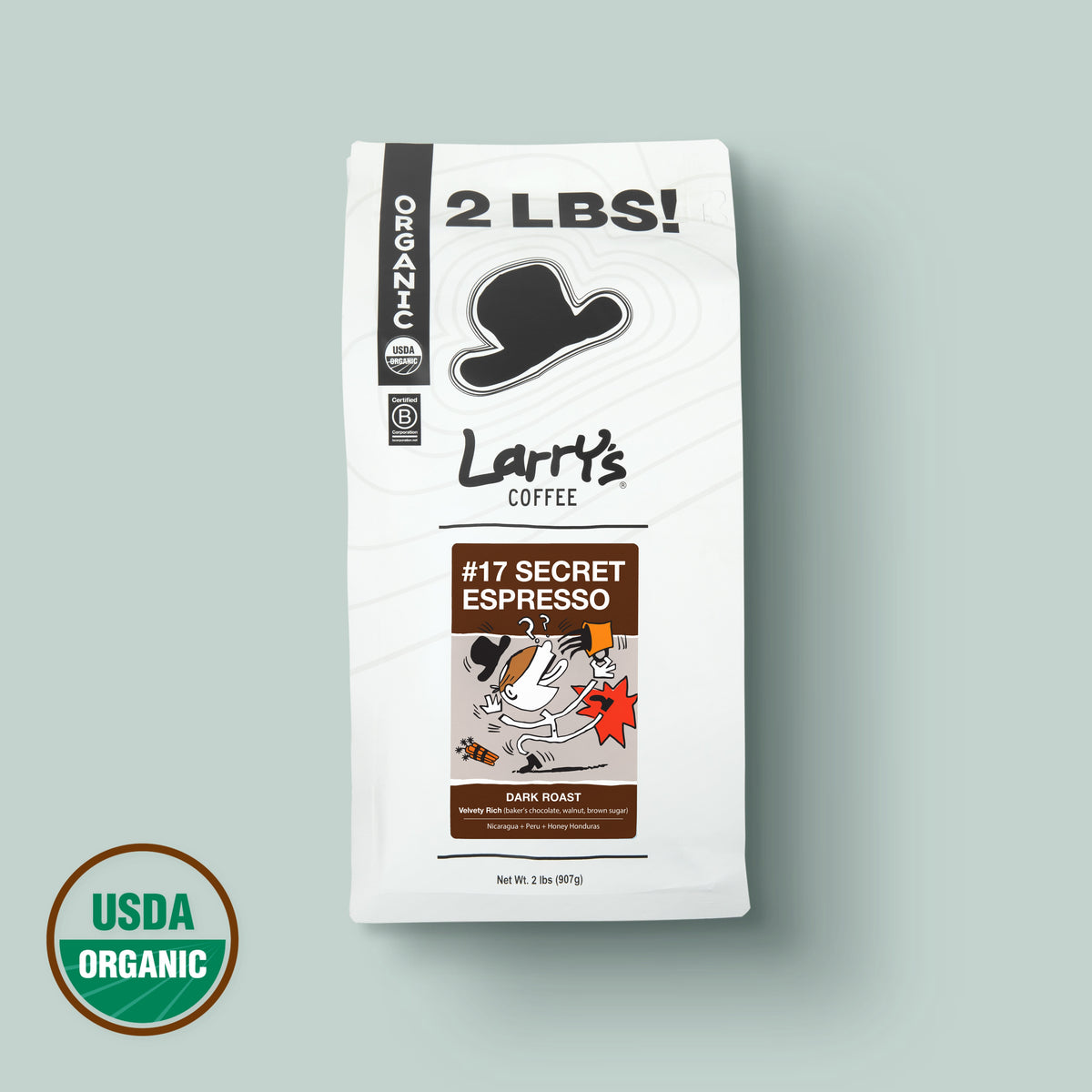
Nicaragua

Region/City

Estelí Department, Miraflor

Elevation

3,300–4,750 ft

Process

Washed
Peru

CENFROCAFE

Co-Op Member Since 2005

CENFROCAFE started in 1999 with 220 farmers pooling resources across Peru's Cajamarca Region. Today the membership is in the thousands, spread across twelve districts, with credit programs that help members cover harvest costs before a single cherry sells.

The higher lots, some above 5,900 feet, ripen slowly and reward the wait with milk chocolate, caramel, and red berries, brightened by a clean citrus lift.

Founding member Anselmo Huaman Moreto put it simply: because of this cooperative, "our children can actually go to school… our members can be proud again to be farmers." We've been buying their coffee since 2005 and have watched that pride turn into some seriously award-winning cups.

Country

Peru

Region/City

Cajamarca Region, Jaén

Elevation

3,900–6,600+ ft

Process

Washed

Mexico

Maya Vinic

Co-Op Member Since 2002

Maya Vinic's story starts somewhere painful. The cooperative was born out of Las Abejas, a community that survived the 1997 Acteal massacre and, three years later, decided to build something life-affirming out of that grief. Today it's a Tzeltal- and Tzotzil-led co-op in the Chiapas Highlands where most families farm less than a hectare.

The cup is classic Chiapas: medium body, bright acidity, and a sweet backbone of caramel and dark chocolate with warm spice and a hint of fruit.

The farmers are guided by a deep respect for their ancestors, their language, and Mother Earth. We've been buying Maya Vinic's coffee since 2002, one of our longest-running relationships, and every spring we still look forward to it landing like clockwork.

Country

Mexico

Region/City

Chiapas Highlands, Chenalhó

Elevation

2,950–4,600 ft

Process

Washed
Honduras

Grupo COMSA & APROCOMSA

Co-Op Member Since 2014

Marcala, Honduras has a distinction no other town can claim: it's the first place ever granted its own coffee-specific Denomination of Origin, and Grupo COMSA is a big reason why. In 2001, 69 farmers of Lenca heritage banded together to get away from local "coyote" buyers who barely covered their costs and bet on organic, specialty-grade coffee instead.

The early years were rough, since yields dip during an organic transition before they climb. COMSA kept experimenting and eventually built its own approach to organic farming, which it still teaches in a week-long course. In the cup, expect medium body, lively brightness, bittersweet chocolate, and flashes of floral, lemongrass, peach, and wild berry.

In 2023, the growers formed their own producer association, APROCOMSA, to keep the co-op's governance transparent and in farmers' hands. The thinking COMSA was founded on is still very much alive.

Country

Honduras

Region/City

La Paz Department, Marcala

Elevation

3,900–5,900+ ft

Process

Honey